Synthetic Biology for engineering plants
Synthetic Biology is an emerging field that employs engineering principles for constructing genetic systems. The approach is based on the use of well characterised and reusable components, and numerical models for the design of biological circuits. At the University of Cambridge, we constructed a range of tools for controlling gene misexpression and marking specific cells in growing plants. We chose Marchantia polymorpha as a simple model system for understanding and engineering plant growth. This lower plant provides unparalleled benefits in ease of culture, simple genome, haploid genetics, open form of development and rapid growth and regeneration, and is an ideal partner for modern quantitative analytical tools. The academic laboratory has now closed down with the recent retirement of Prof. Jim Haseloff, and this is a set of web resources that will be maintained at https://www.haseloff-lab.info.
The shift to practical biological construction
The work continues, still exploiting the exceptional properties of the Marchantia system - but now with an increased focus on the practical development of low-cost tools for 'table-top' plant engineering, including assembly instructions for DIY modular hydroponic systems (www.marchantia.org) and simple tools for building advanced bioinstrumentation including no-code programming, AirFlow DNA amplification and DIY biolistics (www.biomaker.org). Links below.
Updates at listed at @jimhaseloff.bsky.social
Updates at listed at @jimhaseloff.bsky.social



Latest preprints and publications:
microRNA-mediated control of cell fate specification and patterning in Marchantia polymorpha Aguilar-Cruz A, Flores-Sandoval E, Xu Y, Yu Y, Gutiérrez-Ramos X, González-Rangel CY, Oltehua-López O, Dorantes-Acosta AE, Trujillo JT, Kato H, Ishizaki K, Mosher RA, Dolan L, Chen X, Grimanelli D, Haseloff J, Bowman JL, Arteaga-Vazquez MA. New Phytol. 2026 Aug 9. doi: 10.1111/nph.71487. Online ahead of print.
Engineering Auronidin Production in Marchantia polymorpha Enables a New Class of Plant-Derived Textile Pigments. Lormet A, Haseloff J, Romani F.. ACS Synth Biol. 2026 Jul 18. doi: 10.1021/acssynbio.6c00118. Online ahead of print.
Replicated repurposing of an ancestral transcriptional complex in land plants. Kongsted TE, Romani F, Airoldi CA, Haseloff J, Glover BJ. Curr Biol. 2026 May 18;36(10):2593-2605.e4. doi: 10.1016/j.cub.2026.04.031.
Initiation of asexual reproduction by the AP2/ERF gene GEMMIFER in Marchantia polymorpha. Takahashi G, Yamaya S, Romani F, Bonter I, Ishizaki K, Shimamura M, Kiyosue T, Haseloff J, Hirakawa Y. Curr Biol. 2026 May 4;36(9):2413-2423.e4. doi: 10.1016/j.cub.2026.03.083.
Marchantia polymorpha as a simple platform for plant-based production of functional nanobodies. Sze Wai Tse, Facundo Romani, Fernando Guzman-Chavez, Eftychios Frangedakis and Jim Haseloff. BioRxiv June 2026
https://doi.org/10.64898/2026.06.22.733889
https://doi.org/10.64898/2026.06.22.733889
Marchantia stem cell maintenance and re-establishment are controlled by MpPIN1-mediated auxin transport and ARF signalling. Ignacy Bonter, Marius Rebmann, Mihails Delmans, Facundo Romani, and Jim Haseloff. BioRxiv June 2026
https://doi.org/10.64898/2026.06.29.735252
https://doi.org/10.64898/2026.06.29.735252
Recent key publications
Click the titles or PDF icons to see the full manuscripts. The complete list of scientific papers from the lab is accessible here

Romani F, Bonter I, Rebmann M, Takahashi G, Guzman-Chavez F, De Batté F, Hirakawa Y, Haseloff J. Plant Cell 38(6):koag103. doi: 10.1093/plcell/koag103. (2026)
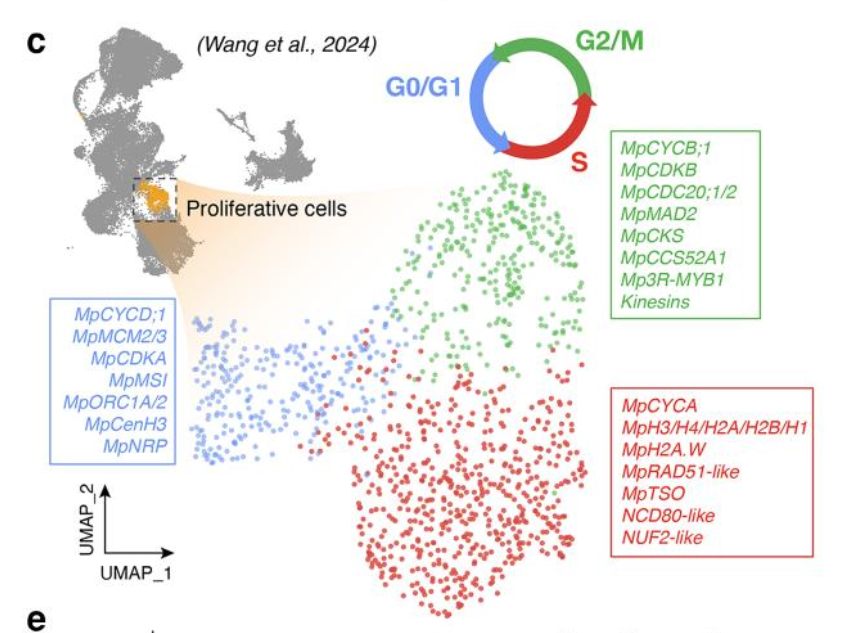
Eukaryotic cell division is regulated by cyclins and cyclin-dependent kinases (CDKs), but the high redundancy of cyclin-CDK pairs in flowering plants complicates functional analysis and obscures the ancestral state of this system in early land plants. We studied the liverwort Marchantia polymorpha, which has a streamlined set of core cell cycle genes; using single-cell RNA-seq, live imaging, and functional assays, we found phase-specific expression dominated by one cyclin per phase, with protein turnover and localization contributing to this specificity. The findings illuminate conserved principles of eukaryotic cell cycle control and establish Marchantia as a powerful model for studying the evolution of multicellular proliferation and for potential applications in engineering plant growth.
Eukaryotic cell division is regulated by cyclins and cyclin-dependent kinases (CDKs), but the high redundancy of cyclin-CDK pairs in flowering plants complicates functional analysis and obscures the ancestral state of this system in early land plants. We studied the liverwort Marchantia polymorpha, which has a streamlined set of core cell cycle genes; using single-cell RNA-seq, live imaging, and functional assays, we found phase-specific expression dominated by one cyclin per phase, with protein turnover and localization contributing to this specificity. The findings illuminate conserved principles of eukaryotic cell cycle control and establish Marchantia as a powerful model for studying the evolution of multicellular proliferation and for potential applications in engineering plant growth.
Annese D, Romani F, Grandellis C, Ives L, Frangedakis E, Buson FX, Molloy JC, Haseloff J. Plant Journal. 122(1):e70118. doi: 10.1111/tpj.70118. (2025)
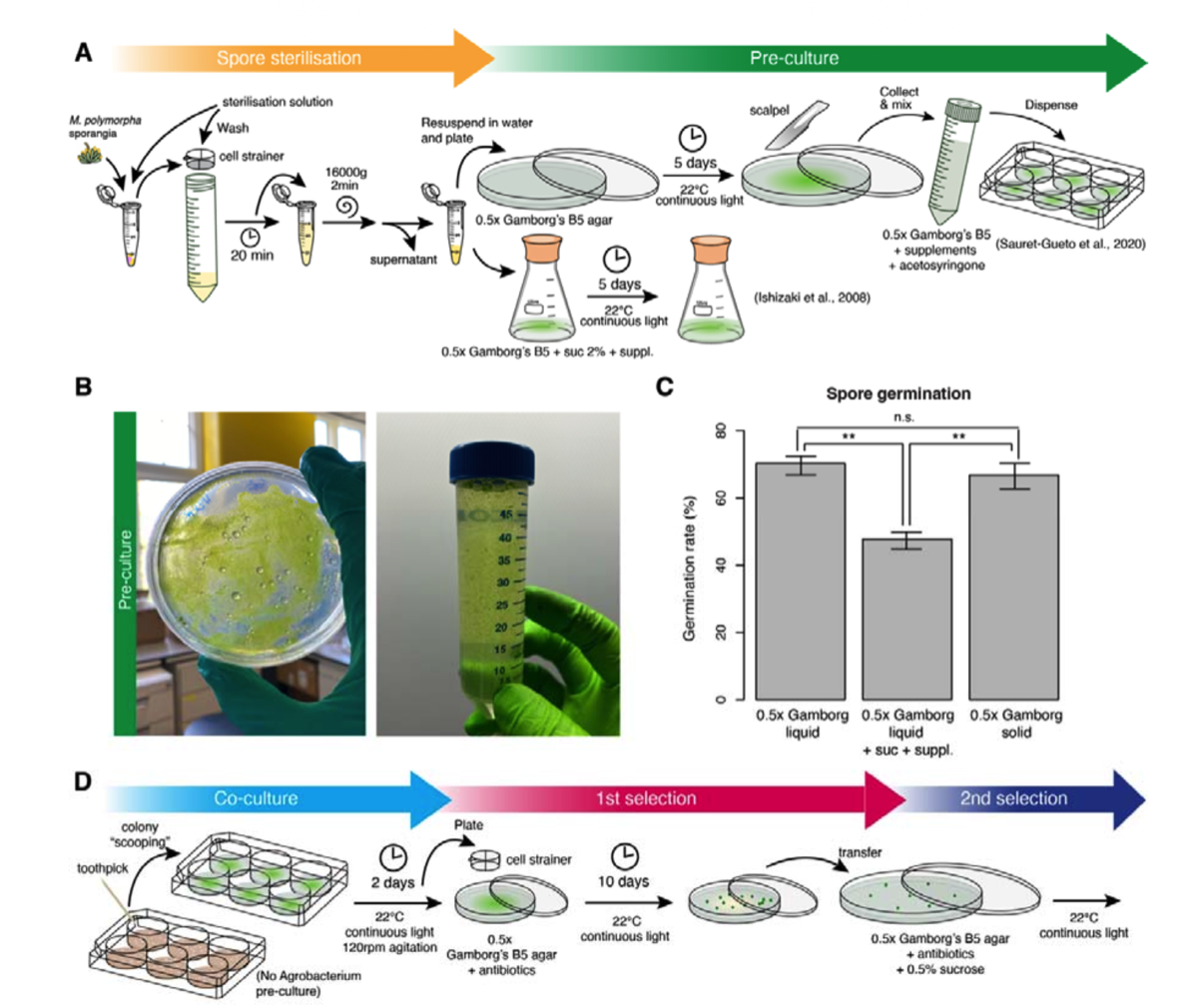
An optimised, semi-automated pipeline for stable Marchantia polymorpha transformation using a freeze-thaw Agrobacterium method in six-well plates compatible with the Opentrons robotic platform, streamlining selection through sucrose-supplemented media to accelerate gemmae production. This approach enables testing ~100 constructs per month in standard tissue culture facilities, representing a significant step toward fully automated plant transformation pipelines for high-throughput synthetic biology screening.
An optimised, semi-automated pipeline for stable Marchantia polymorpha transformation using a freeze-thaw Agrobacterium method in six-well plates compatible with the Opentrons robotic platform, streamlining selection through sucrose-supplemented media to accelerate gemmae production. This approach enables testing ~100 constructs per month in standard tissue culture facilities, representing a significant step toward fully automated plant transformation pipelines for high-throughput synthetic biology screening.
Tse SW, Annese D, Romani F, Guzman-Chavez F, Bonter I, Forestier E, Frangedakis E, Haseloff J. Plant Cell Physiol. 65(8):1298-1309. doi: 10.1093/pcp/pcae063. (2024)
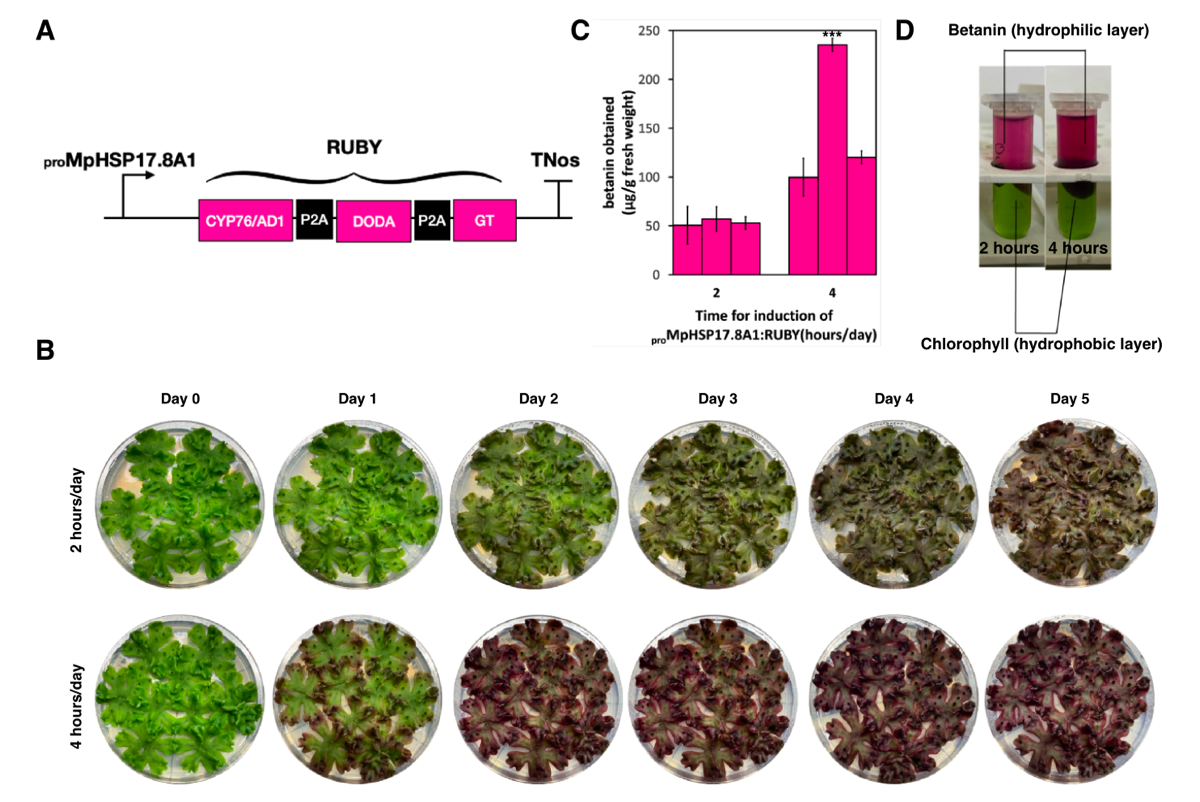
We systematically benchmarked constitutive promoters in Marchantia polymorpha, finding that while the double enhancer 35S promoter yields the highest protein levels, it impairs growth, whereas promoters from the Marchantia ERF1 and CHB genes drive strong, tissue-wide expression without growth penalties. Using these optimised promoters alongside a heat-shock-inducible system, we demonstrated coordinated metabolic enzyme expression via a RUBY betalain cassette, expanding the genetic toolkit available for synthetic biology and bioproduction in Marchantia.
We systematically benchmarked constitutive promoters in Marchantia polymorpha, finding that while the double enhancer 35S promoter yields the highest protein levels, it impairs growth, whereas promoters from the Marchantia ERF1 and CHB genes drive strong, tissue-wide expression without growth penalties. Using these optimised promoters alongside a heat-shock-inducible system, we demonstrated coordinated metabolic enzyme expression via a RUBY betalain cassette, expanding the genetic toolkit available for synthetic biology and bioproduction in Marchantia.
Guzman-Chavez F, Arce A, Adhikari A, Vadhin S, Pedroza-Garcia JA, Gandini C, Ajioka JW, Molloy J, Sanchez-Nieto S, Varner JD, Federici F, Haseloff J. ACS Synthetic Biology. 11(3):1114-1128. doi: 10.1021/acssynbio.1c00342. (2022)
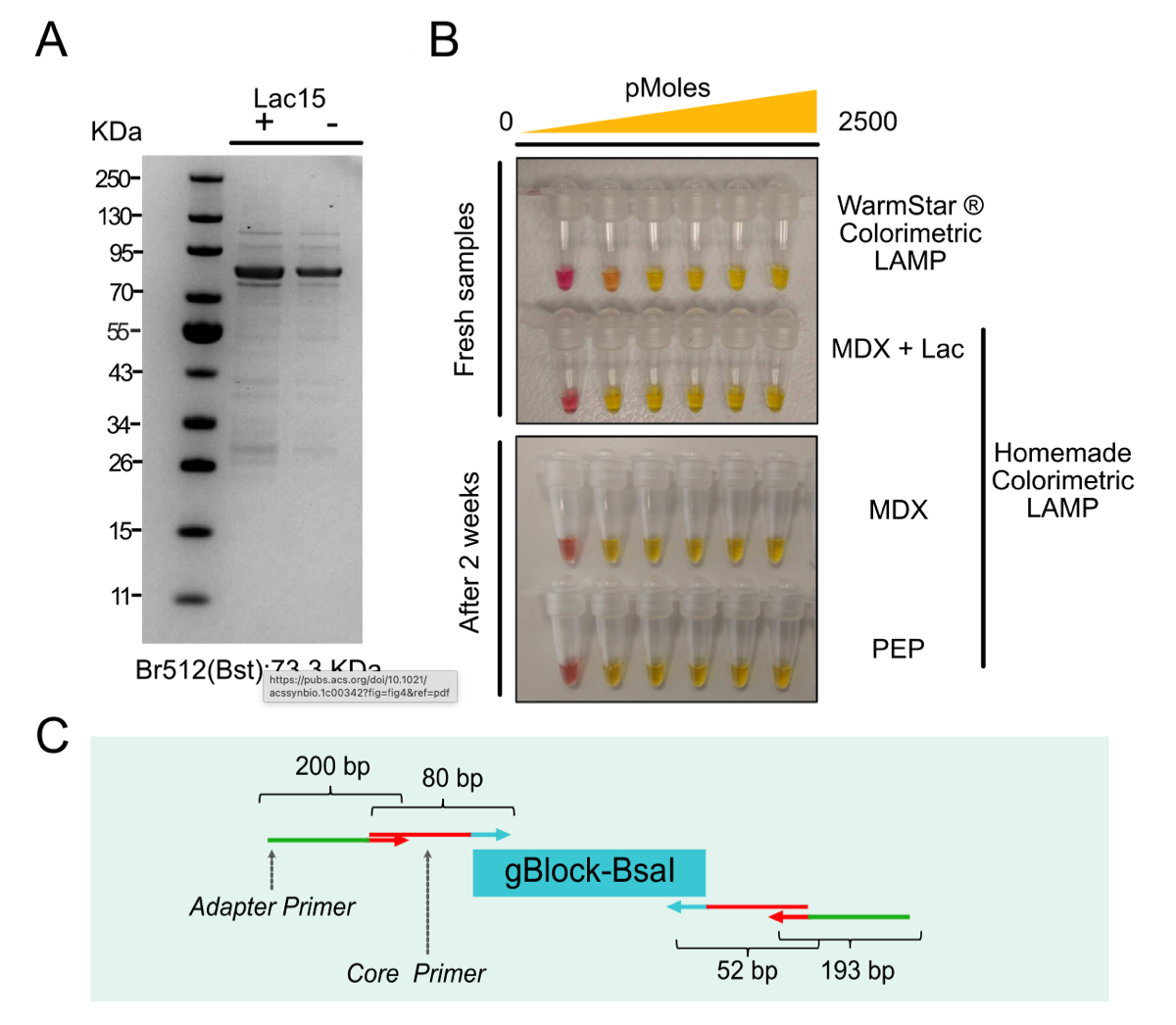
Development of a suite of low-cost strategies to make cell-free gene expression systems more accessible, including silica bead-based drying as an alternative to freeze-drying, lactose supplementation to boost protein synthesis, and exploitation of endogenous nucleotide regeneration to eliminate the need for exogenous NTPs. Together, these modifications produce desiccated extracts 200–400-fold cheaper than commercial alternatives, broadening access to cell-free technology for research and education in low- and middle-income countries.
Development of a suite of low-cost strategies to make cell-free gene expression systems more accessible, including silica bead-based drying as an alternative to freeze-drying, lactose supplementation to boost protein synthesis, and exploitation of endogenous nucleotide regeneration to eliminate the need for exogenous NTPs. Together, these modifications produce desiccated extracts 200–400-fold cheaper than commercial alternatives, broadening access to cell-free technology for research and education in low- and middle-income countries.
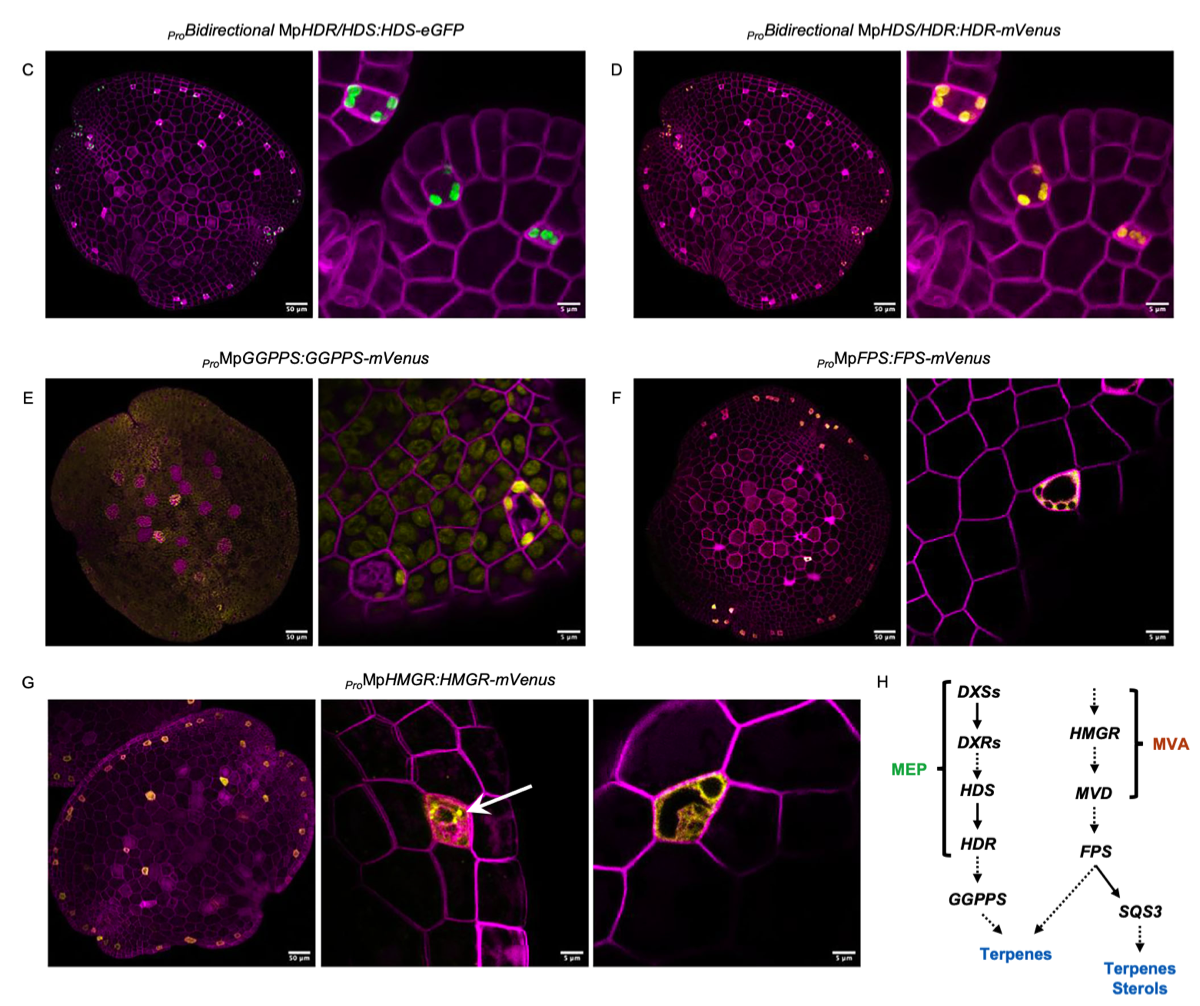
Spatial distribution of isoprenoid enzymes and MpABCG1 transporter influences sesquiterpene accumulation in Marchantia polymorpha oil bodies
Forestier ECF, Asprilla P, Bonter I, Romani F, Frangedakis E, Haseloff J. Communications Biology 9(1):521. doi: 10.1038/s42003-025-09508-4. (2026)
The liverwort Marchantia polymorpha produces sesquiterpenes in specialised oil body (OB) cells, and while isoprenoid biosynthetic enzymes localise as predicted across cellular compartments, redirecting metabolic flux to boost yields of exogenous terpenes proved challenging. Crucially, the ABC transporter MpABCG1 was found to be essential for sesquiterpene accumulation in OBs, as CRISPR-mediated disruption dramatically reduced sesquiterpene levels, advancing our understanding of terpene synthesis compartmentalisation in Marchantia.
The liverwort Marchantia polymorpha produces sesquiterpenes in specialised oil body (OB) cells, and while isoprenoid biosynthetic enzymes localise as predicted across cellular compartments, redirecting metabolic flux to boost yields of exogenous terpenes proved challenging. Crucially, the ABC transporter MpABCG1 was found to be essential for sesquiterpene accumulation in OBs, as CRISPR-mediated disruption dramatically reduced sesquiterpene levels, advancing our understanding of terpene synthesis compartmentalisation in Marchantia.
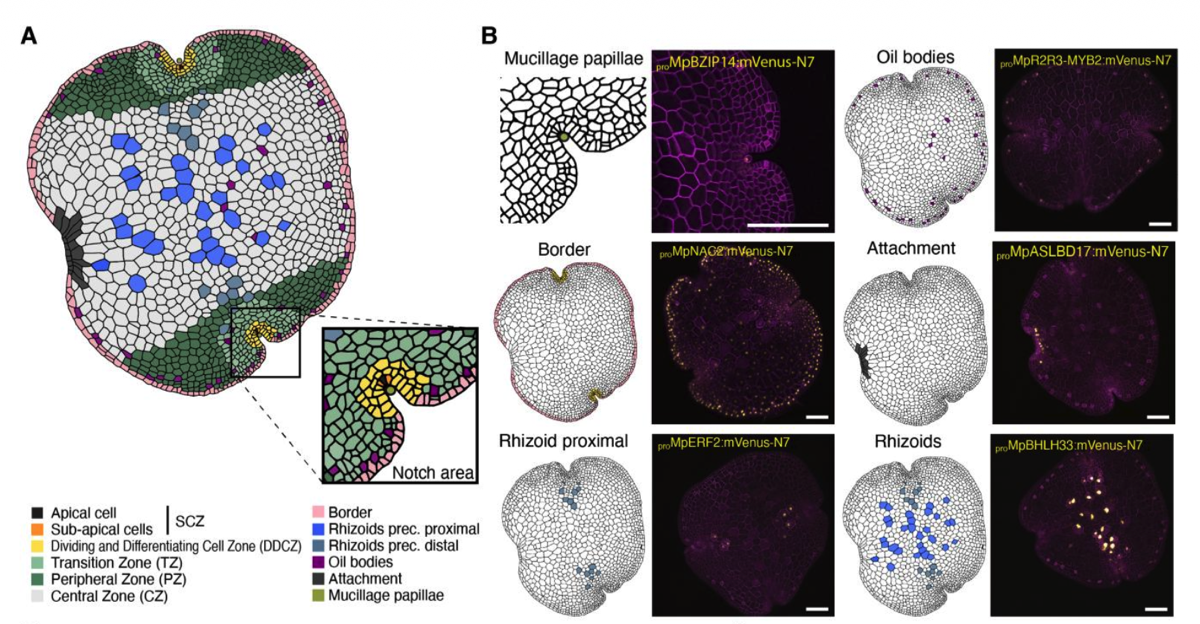
Romani F, Sauret-Güeto S, Rebmann M, Annese D, Bonter I, Tomaselli M, Dierschke T, Delmans M, Frangedakis E, Silvestri L, Rever J, Bowman JL, Romani I, Haseloff J. Plant Cell. 36(6):2140-2159. doi: 10.1093/plcell/koae053. (2024)
Using Marchantia polymorpha's compact set of ~450 transcription factor (TF) genes, we generated a near-complete collection of TF promoter elements and systematically mapped their expression patterns in gemmae, identifying a set active in the stem-cell zone of the gametophytic meristem. This resource, accompanied by an online expression database, provides valuable tools for dissecting meristem regulation and evolution, with broad applications in cell-type-specific expression, synthetic biology, and functional genomics.
Using Marchantia polymorpha's compact set of ~450 transcription factor (TF) genes, we generated a near-complete collection of TF promoter elements and systematically mapped their expression patterns in gemmae, identifying a set active in the stem-cell zone of the gametophytic meristem. This resource, accompanied by an online expression database, provides valuable tools for dissecting meristem regulation and evolution, with broad applications in cell-type-specific expression, synthetic biology, and functional genomics.
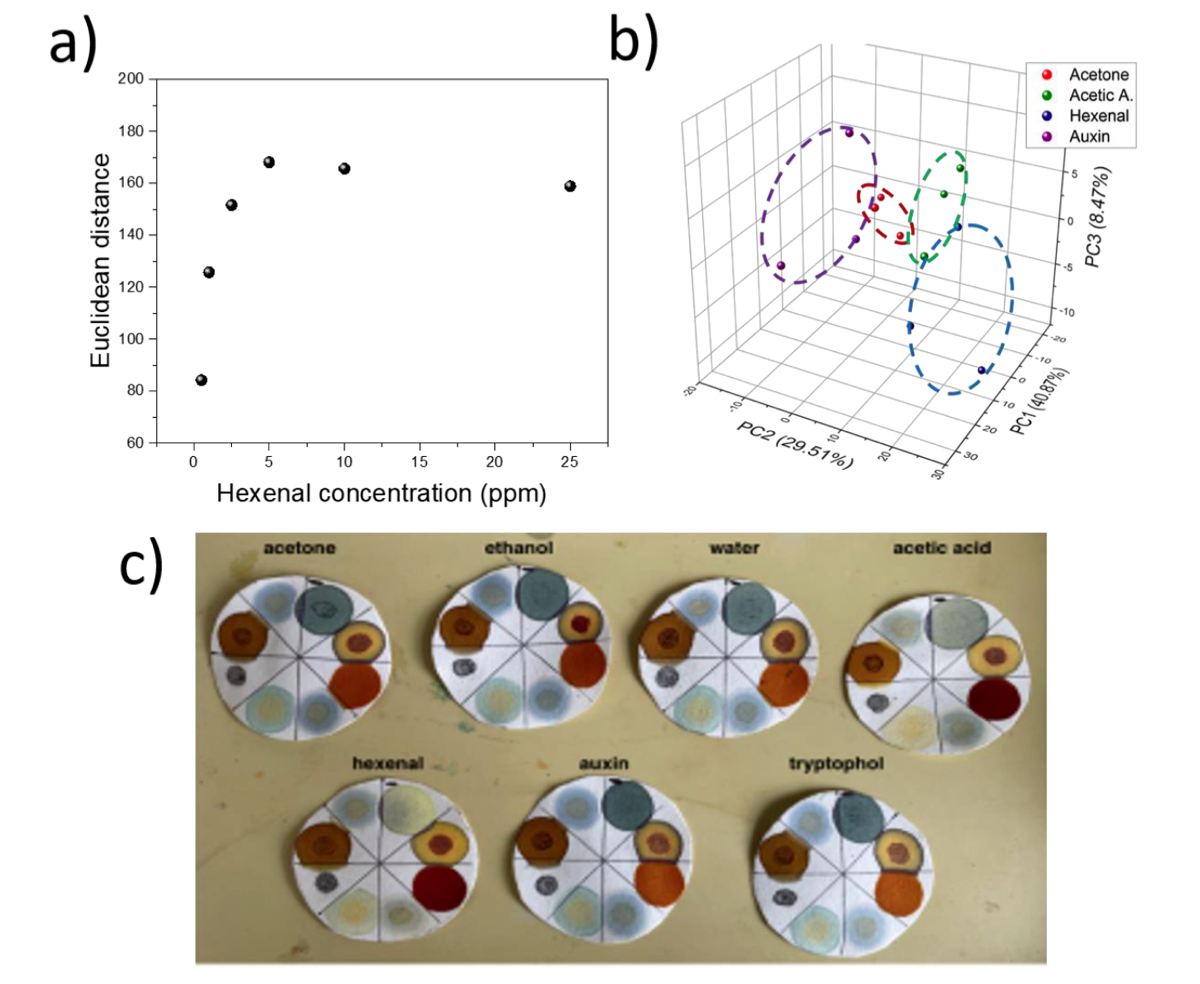
Zedler M, Tse SW, Ruiz-Gonzalez A, Haseloff J. Micromachines (Basel). 14(2):314. doi: 10.3390/mi14020314. (2023)
Development of a low-cost optoelectronic nose using colorimetric dyes on filter paper (£1 per sensor) capable of detecting up to six plant volatiles at sub-ppm levels, enabling non-invasive early diagnosis of abiotic stress as soon as two days after exposure to high salinity or starvation. This miniaturisable, electronics-minimal platform offers a scalable alternative to conventional electronic noses for field-based monitoring of plant health, stress detection, and crop loss mitigation.
Development of a low-cost optoelectronic nose using colorimetric dyes on filter paper (£1 per sensor) capable of detecting up to six plant volatiles at sub-ppm levels, enabling non-invasive early diagnosis of abiotic stress as soon as two days after exposure to high salinity or starvation. This miniaturisable, electronics-minimal platform offers a scalable alternative to conventional electronic noses for field-based monitoring of plant health, stress detection, and crop loss mitigation.
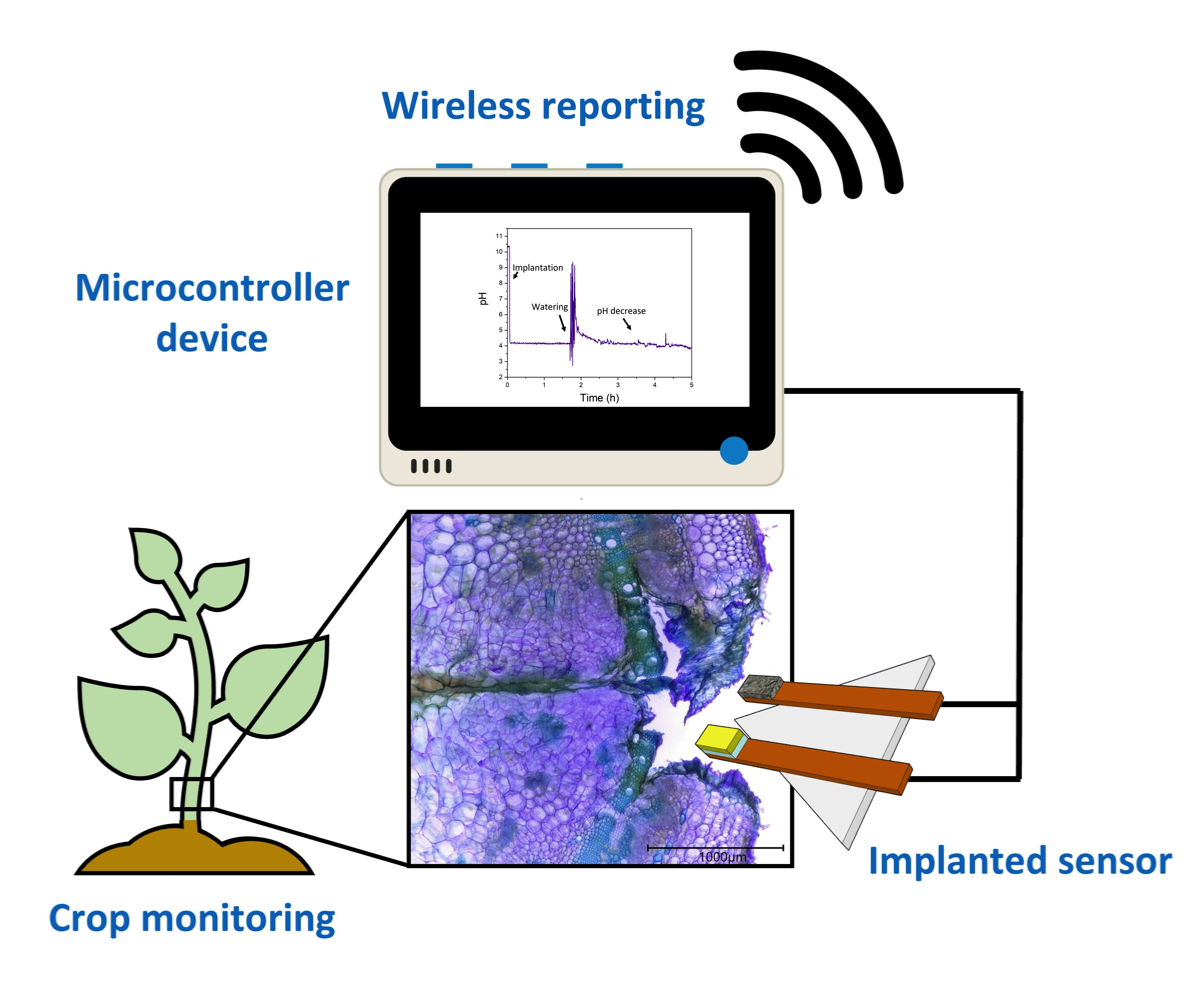
Ruiz-Gonzalez A, Kempson H, Haseloff J. Biosensors (Basel) 12(7):447. doi: 10.3390/bios12070447. (2022)
A low-cost implantable electrochemical sensor based on electrodeposited RuO₂ nanofilms, protected by a cellulose/PDMS layer that reduced drift seven-fold, enabling continuous in vivo monitoring of xylem sap pH in tomato plants for at least 10 hours. Combined with wireless environmental sensing, this affordable platform represents a significant advance in plant-implanted biosensors for precision agriculture, with potential for further optimization to support long-term deployment.
A low-cost implantable electrochemical sensor based on electrodeposited RuO₂ nanofilms, protected by a cellulose/PDMS layer that reduced drift seven-fold, enabling continuous in vivo monitoring of xylem sap pH in tomato plants for at least 10 hours. Combined with wireless environmental sensing, this affordable platform represents a significant advance in plant-implanted biosensors for precision agriculture, with potential for further optimization to support long-term deployment.
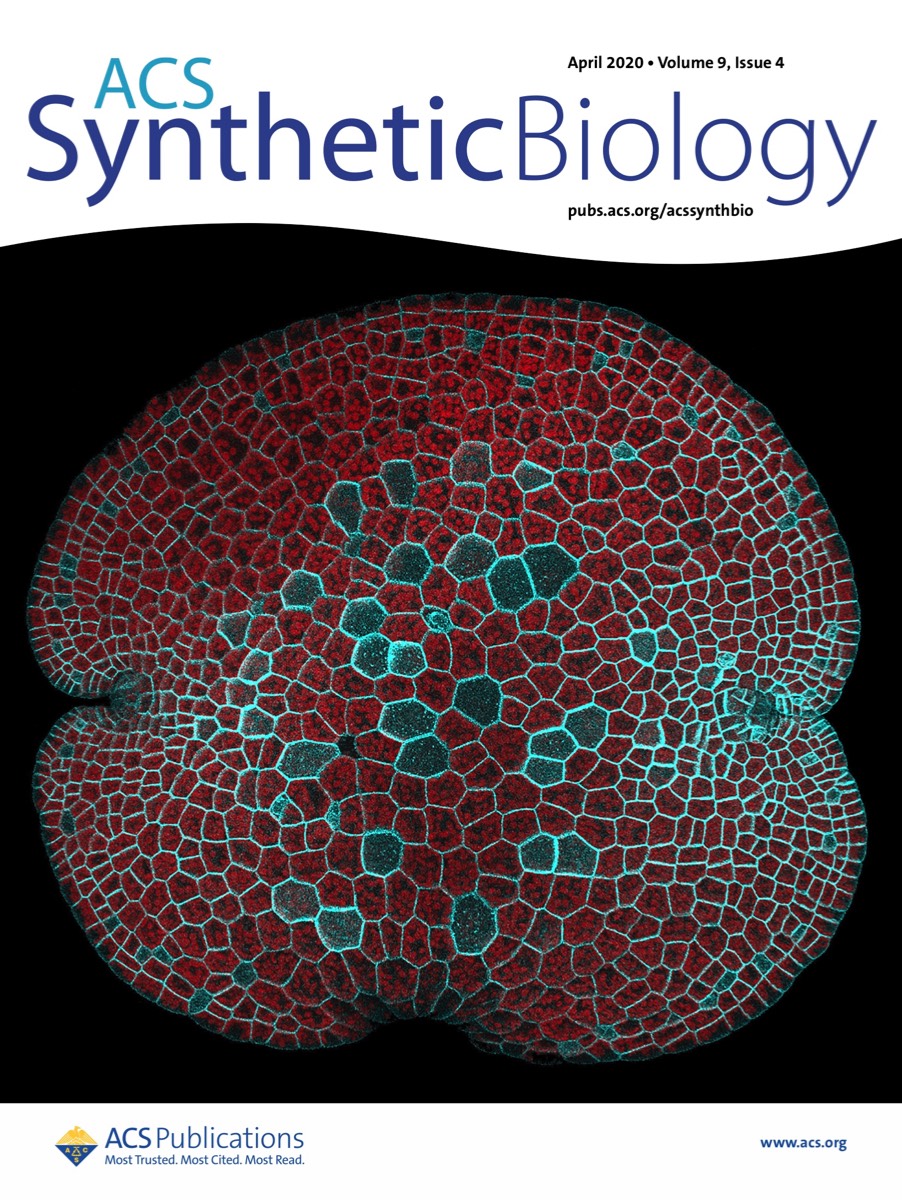

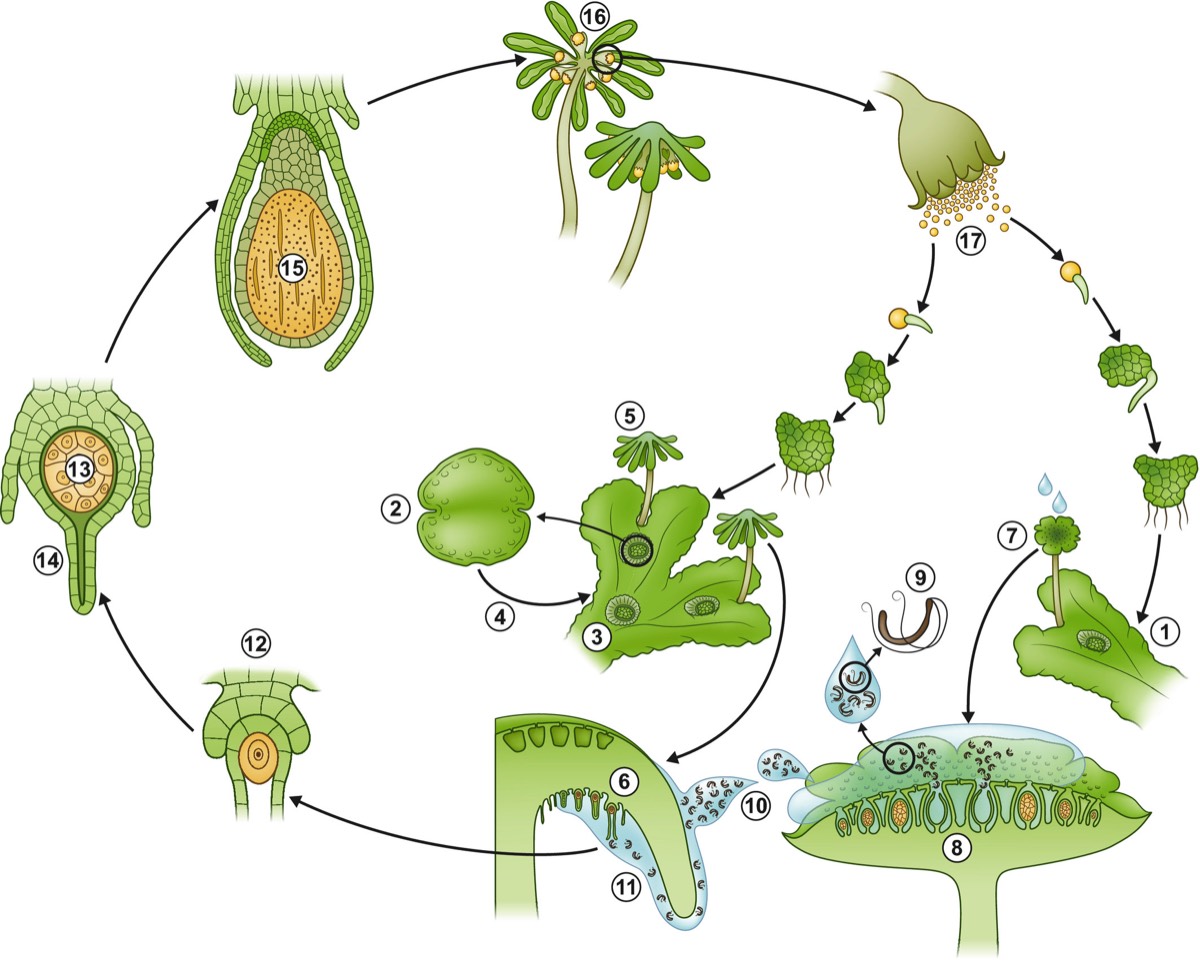
Systematic Tools for Reprogramming Plant Gene Expression in a Simple Model, Marchantia polymorpha
Susanna Sauret-Güeto, Eftychios Frangedakis, Linda Silvestri, Marius Rebmann, Marta Tomaselli, Kasey Markel, Mihails Delmans, Anthony West, Nicola J. Patron, and Jim Haseloff, ACS Synth. Biol. 2020, 9, 4, 864–882 (2020).
Susanna Sauret-Güeto, Eftychios Frangedakis, Linda Silvestri, Marius Rebmann, Marta Tomaselli, Kasey Markel, Mihails Delmans, Anthony West, Nicola J. Patron, and Jim Haseloff, ACS Synth. Biol. 2020, 9, 4, 864–882 (2020).
Construction of DNA Tools for Hyperexpression in Marchantia Chloroplasts
Eftychios Frangedakis, Fernando Guzman-Chavez, Marius Rebmann, Kasey Markel, Ying Yu, Artemis Perraki, Sze Wai Tse, Yang Liu, Jenna Rever, Susanna Sauret-Gueto, Bernard Goffinet, Harald Schneider and Jim Haseloff. ACS Synth Biol 10:1651-1666 (2021).
Eftychios Frangedakis, Fernando Guzman-Chavez, Marius Rebmann, Kasey Markel, Ying Yu, Artemis Perraki, Sze Wai Tse, Yang Liu, Jenna Rever, Susanna Sauret-Gueto, Bernard Goffinet, Harald Schneider and Jim Haseloff. ACS Synth Biol 10:1651-1666 (2021).
DNA methylation in the liverwort Marchantia polymorpha
Adolfo Aguilar‐Cruz, Daniel Grimanelli, Jim Haseloff & Mario Alberto Arteaga‐Vázquez New Phytologist 223(2):575-581 (2019)
Adolfo Aguilar‐Cruz, Daniel Grimanelli, Jim Haseloff & Mario Alberto Arteaga‐Vázquez New Phytologist 223(2):575-581 (2019)
Synthetic Biology initiatives in Cambridge
There are a range of Synthetic Biology themed initiatives that promote interdisciplinary exchange between Biology, Computer Sciences and Engineering in Cambridge though informal meet-ups, forums, project-based training and shared research projects.




EngBio IRC: Maintains an online clearing house for information about engineering biology at the University of Cambridge. http://www.engbio.cam.ac.uk
OpenPlant: Research to promote open technologies for plant Synthetic Biology. https://www.openplant.org
Biomaker: Project funding for construction of low-cost devices for biology. For more information see: https://www.biomaker.org
Events: networking and interdisciplinary forums and discussion groups. http://www.meetup.com/Cambridge-Synthetic-Biology-Meetup
OpenPlant: Research to promote open technologies for plant Synthetic Biology. https://www.openplant.org
Biomaker: Project funding for construction of low-cost devices for biology. For more information see: https://www.biomaker.org
Events: networking and interdisciplinary forums and discussion groups. http://www.meetup.com/Cambridge-Synthetic-Biology-Meetup
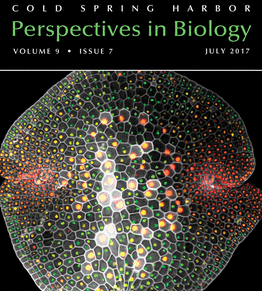
Synthetic Botany
Plants modular and plastic body plans, capacity for photosynthesis, extensive secondary metabolism, and agronomic systems for large-scale production make them ideal targets for genetic reprogramming. Christian R. Boehm, Bernardo Pollak, Nuri Purswani, Nicola Patron, and Jim Haseloff. Cold Spring Harbor Perspectives in Biology: Synthetic Biology 1-19, (2017). Click to download PDF

OpenMTA: Opening options for material transfer
The Open Material Transfer Agreement enables practical, broader sharing and use of biological materials by biotechnology practitioners. Linda Kahl, Jennifer Molloy, Nicola Patron, Colette Matthewman, Jim Haseloff, David Grewal, Richard Johnson & Drew Endy. Nature Biotechnology doi.org/10.1038/nbt.4263, (2018). Click to download PDF
Design of low-cost microreactors for isothermal diagnostics and DNA engineering
We explored the design of air heated manifolds for low cost microreactors. Cheap auto fan heaters can be used as heat sources, and custom vessels built using 3D printing. These kinds of devices are highly customisable and potentially useful for molecular diagnostics, global training and education in programmable biology. Microreactor details at: https://www.hackster.io/jim-haseloff/airflow-microreactor-657300
We explored the design of air heated manifolds for low cost microreactors. Cheap auto fan heaters can be used as heat sources, and custom vessels built using 3D printing. These kinds of devices are highly customisable and potentially useful for molecular diagnostics, global training and education in programmable biology. Microreactor details at: https://www.hackster.io/jim-haseloff/airflow-microreactor-657300
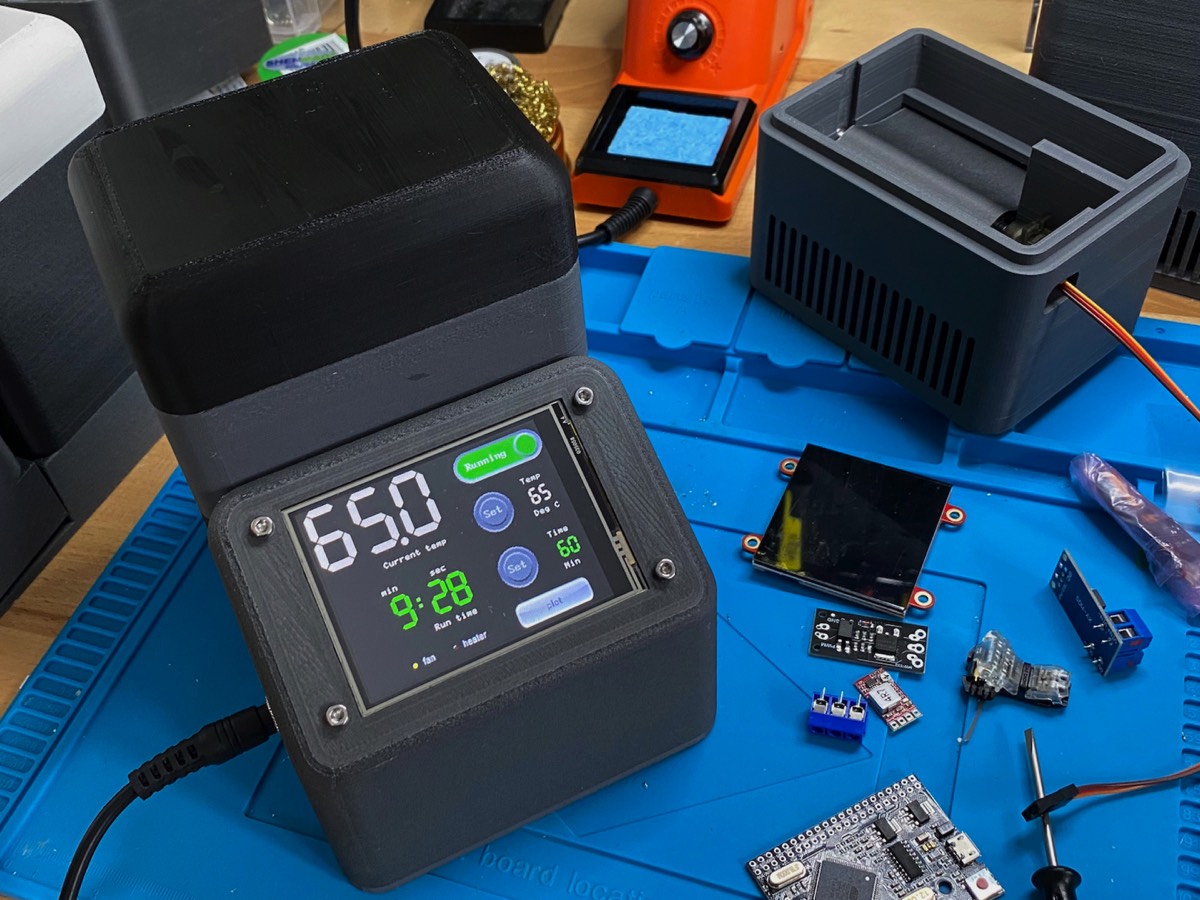
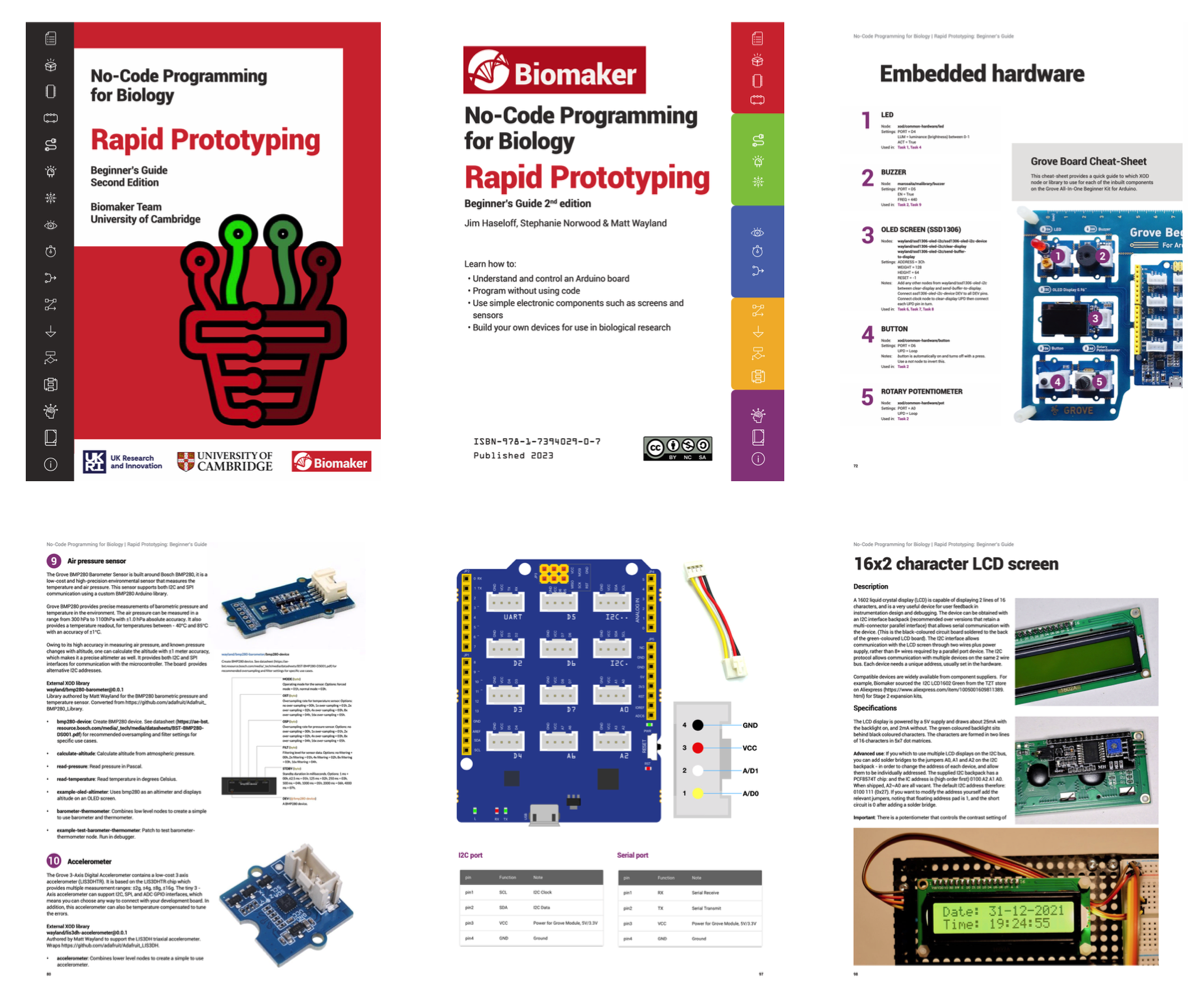
We ran No-Code Programming Workshops, Biomaker Challenge and Open Technology Week at the University of Cambridge. These events supported interdisciplinary training and projects that promoted a maker ethos in science and sharing of open source software and hardware systems, graphical programming, 3D printing technologies and open biological tools. We expanded this effort with international workshops and exchange through www.biomaker.org.
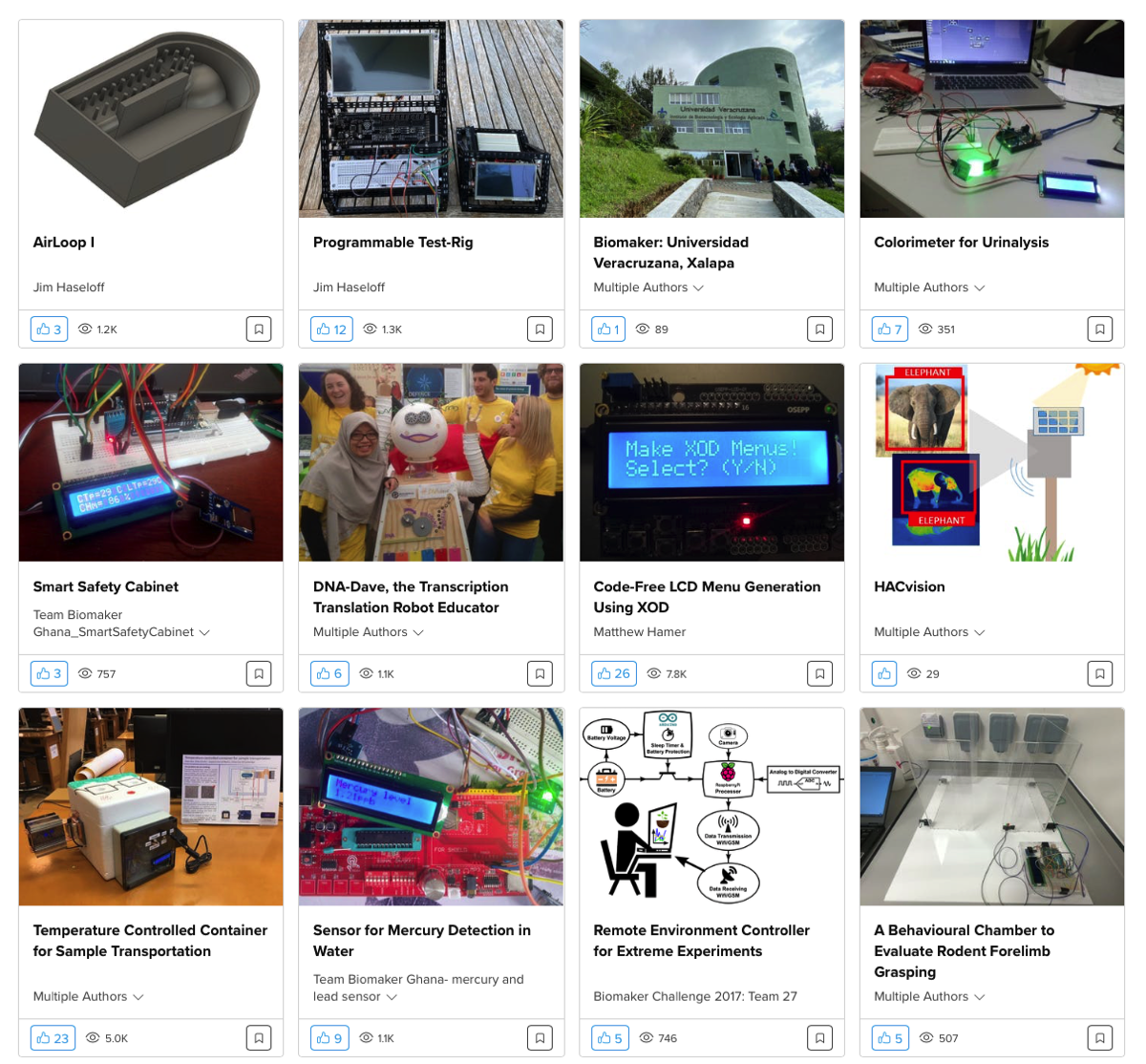
See a compilation of Biomaker projects (as well as online tutorials) at https://www.hackster.io/biomaker/. The Hackster platform allows self-publication of materials lists and "how-to-build" instructions for hardware projects. Also download our No-Code Programming Handbook at: https://www.biomaker.org/nocode-programming-for-biology-handbook
Tools for macrophotography of liverworts in the field
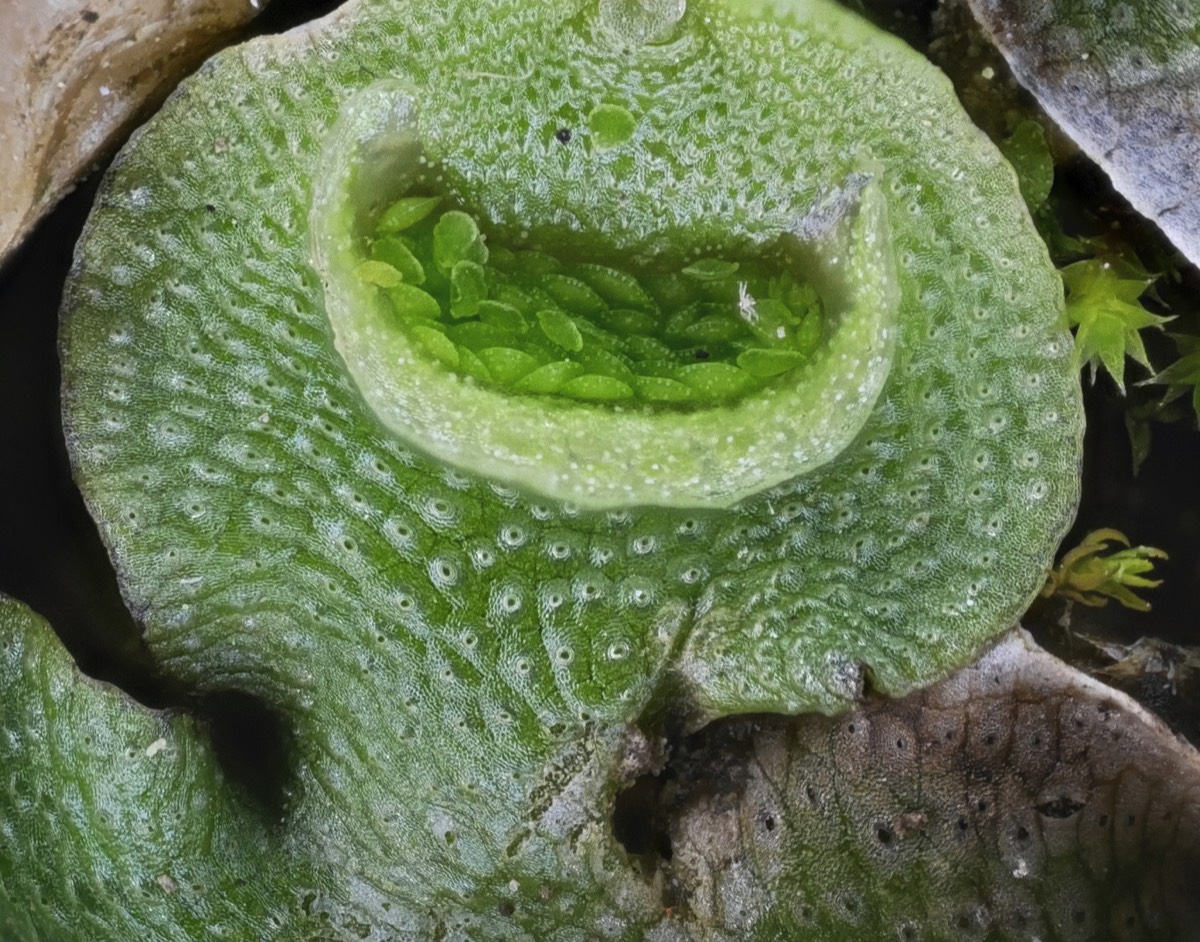
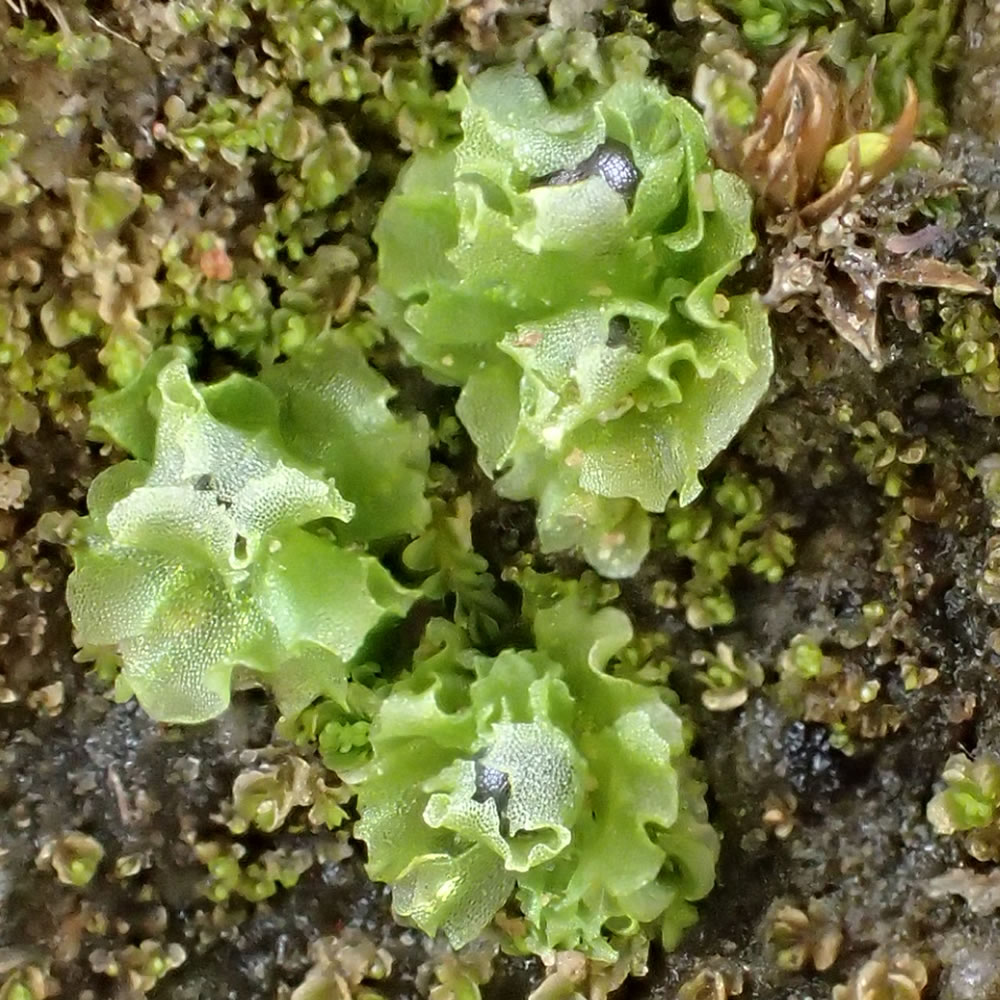
Lunularia cruciata liverwort plant photographed in situ, using a Panasonic GX80 camera, Olympus 60mm macro lens, 10mm extension tube and Raynox DCR-250 macro lens adapter. Technical details at: https://www.hackster.io/jim-haseloff
Jim's hints: camera systems suitable for field work and documentation of small plants in the field. Camera setup and modification for high-speed, handheld focus stacking - including a comparison of the new Olympus TG-5 camera, modification of the Panasonic GX80 camera, and choice of a tripod that is well-suited for macrophotography of small plants, like bryophytes. More technical information at: https://www.hackster.io/jim-haseloff/
Jim's hints: camera systems suitable for field work and documentation of small plants in the field. Camera setup and modification for high-speed, handheld focus stacking - including a comparison of the new Olympus TG-5 camera, modification of the Panasonic GX80 camera, and choice of a tripod that is well-suited for macrophotography of small plants, like bryophytes. More technical information at: https://www.hackster.io/jim-haseloff/

Lab publications
Find a list of published papers and patent applications from the lab compiled here. These can be downloaded directly as PDFs.
Teaching materials
Reference materials, including lecture notes, slides and PDFs can be found for courses on Origins of Agriculture (NST PMS 1B), Plant Development (NST CDB 1B) and Synthetic Biology (NST PS 2), taught by Jim Haseloff at the University of Cambridge.
Images of liverworts in the field
See photo galleries of plants from the Australian Bryophyte Workshop in the Flinders Ranges

Microscopy image galleries
Navigate to the Imaging index page to find different galleries of microscopy images. These include a wide range of historic plant samples that have been collected at the Department of Plant Sciences in Cambridge, where conventional cytological stains are often highly fluorescent and reveal new features when imaged using modern multispectral confocal laser scanning microscopes.
Print resources

An introduction to OpenPlant, objectives, work programme and summary of recent progress. The Handbook also contains thumbnail sketches of OpenPlant researchers.
Download PDF version of Handbook (25 MB, 170 pages)
Download Bakubung Report Capacity Building for the Bioeconomy in Africa (3.9 MB, 26 pages)
Download PDF version of Handbook (25 MB, 170 pages)
Download Bakubung Report Capacity Building for the Bioeconomy in Africa (3.9 MB, 26 pages)

Links to the Department of Plant Sciences and University of Cambridge
Click here for travel directions to the Department of Plant Science in Cambridge

Working in Cambridge
The best place to find general information about postgraduate study at the University of Cambridge is the Graduate Admissions site. This includes customised links to potential funding sources for UK and international students.
The best place to find general information about postgraduate study at the University of Cambridge is the Graduate Admissions site. This includes customised links to potential funding sources for UK and international students.